
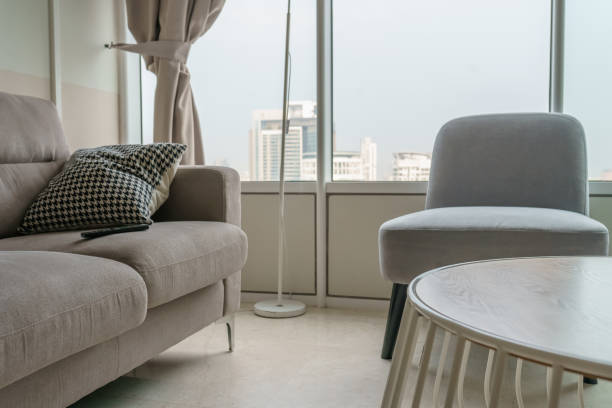

The skill of living well in tiny places has gained popularity among those who want to live simply, functionally, and peacefully in urban settings. Intentionality, decluttering, and careful design are key components of the urban minimalist lifestyle philosophy, which aims to create houses that seem roomy, peaceful, and functional even with small living areas. Beyond appearances, this strategy represents a deeper mentality that prioritizes quality over quantity, minimizes distractions, and creates a living space that promotes productivity and well-being.
Lack of storage, little natural light, and background noise are some of the problems that might arise in small metropolitan areas. Nonetheless, urban minimalism offers innovative and workable ways to turn these limitations into chances for intelligent living. Adopting multifunctional furniture and creative storage options is one important idea. Multipurpose items, like desks that fold out or mattresses with built-in drawers, improve useful space without adding clutter. Shelves and wall-mounted organizers are examples of vertical storage that keeps floors uncluttered and expands the field of vision. By making use of difficult nooks and corners, custom-built cabinets can transform any available space into useful real estate.
The cornerstone of urban minimalism is decluttering. In addition to creating more physical space, living with fewer belongings also reduces stress and mental clutter. The procedure entails assessing possessions attentively and retaining only those that are really enjoyable or have a clear purpose. This way of thinking inhibits the accumulation of needless things and promotes deliberate purchase choices. Maintaining an uncluttered atmosphere is facilitated by routinely going through things to dispose, give, or reuse them. Simplifying possessions also facilitates upkeep and cleaning, which adds to the calmer ambiance.
Design decisions have a big impact on improving comfort and giving the impression of more space. Natural light is reflected by light, neutral wall and furniture colors, which enlarge and open up spaces. By reflecting light and adding depth, mirrors enhance this illusion. Airy and tidy environments are maintained by selecting furniture with simple lines and little decoration. To enhance coziness without being overpowering, fabrics like as curtains, pillows, and rugs may be used to gently introduce textures and patterns. Choosing window coverings that let in the most natural light improves the feeling of openness and connection to the outside world.
For tiny urban dwellings to function smoothly, organization is crucial. Setting aside certain areas for work, relaxation, and pleasure contributes to structure and keeps chaos at bay. Functionality is increased and annoyance is decreased by keeping surfaces clean and commonly used things close at hand. Smaller objects are kept organized and easily accessible by using drawer dividers, baskets, and containers. By effectively organizing schedules, papers, and media and minimizing paper clutter, digital organization enhances physical order.
Developing a minimalist mentality also affects lifestyle choices. Adopting slow living practices, including appreciating the present and refraining from overcommitting, fits in well with the deliberateness of urban minimalism. Contentment is fostered by valuing experiences above material belongings and practicing thankfulness for what you have. This strategy reduces waste and needless spending by promoting thoughtful consumption in all spheres, including food, clothes, and entertainment. Living simply in limited areas fosters awareness and creativity because constraints lead to greater appreciation and creative solutions.
In urban minimalism, personalization is essential to expressing uniqueness and feeling at home. Although minimalism stresses moderation, it should not imply sterility or a lack of personality. Meaningful items, plants, or well-chosen artwork may provide warmth and individuality without being overbearing. Adding natural components, such as vegetation, enhances the quality of the air and adds a feeling of energy and tranquility. The setting is kept interesting and fresh by changing the décor on a seasonal or monthly basis. Layered lighting from ambient, task, and accent sources is one example of thoughtful lighting design that improves usability and mood.
Urban minimalism and sustainability often go hand in hand. Reducing environmental effect may be achieved by supporting local craftspeople, purchasing antique or secondhand goods, and selecting eco-friendly materials. Maintaining and repairing possessions prolongs their lifespan and reduces waste. A lower carbon footprint may be achieved via the adoption of energy-efficient equipment and thoughtful utility consumption. Composting, recycling, and reusable alternatives are all part of the zero-waste or low-waste lifestyles of many urban minimalists. This thoughtful strategy supports the overarching objective of increasing the quality of urban life while coexisting peacefully with the environment.
Using technology to manage tiny urban places may be beneficial. By automating security, lighting, and temperature management, smart home appliances may increase convenience and energy efficiency. Digital assistants provide entertainment, reminders, and organizing without adding tangible clutter. Physical media collections are no longer necessary thanks to streaming services and cloud storage. However, in order to avoid digital overload and preserve equilibrium, it is crucial to utilize technology with awareness. Establishing screen time limits and designating areas free of technology promotes presence and mental clarity.
By expanding living space beyond actual borders, community ties enhance urban minimalism. Sharing resources like cars, appliances, and tools promotes cost savings and sustainability. Building social support and preventing loneliness are two benefits of taking part in local activities and co-working spaces. Parks, urban gardens, and other public areas that provide relaxation and social interaction are a source of delight for many urban minimalists. This social component emphasizes that minimalism is about meaningful connections and shared ideals rather than loneliness.
Living in a small place often promotes resilience and flexibility. Urban minimalists learn how to solve problems so they can creatively deal with constraints. Flexibility turns become a strength, whether it’s rearranging furniture for various purposes, coming up with storage solutions, or streamlining procedures. This flexibility reduces stress and fosters a development mentality in other spheres of life. Peace and contentment are fostered by graciously accepting limitations and embracing imperfection.
Making the most of what you have while coordinating your living space with your ideals and way of life is the core of urban minimalism. Reducing excess and concentrating on necessities that promote comfort, effectiveness, and wellbeing is a deliberate decision. It is not only feasible but also very fulfilling to live successfully in tiny areas when careful planning, organization, mindful practices, and community involvement are combined. A move away from consumer-driven society and toward mindful living that supports oneself and one’s environment is encouraged by urban minimalism.
In the end, adopting urban minimalism is taking back your time, space, and energy in order to live a more complete and genuine life. It promotes a slower, more purposeful pace of living in which things have a purpose, surroundings cultivate serenity, and simplicity leads to clarity. Whether you live in a shared metropolitan area, a small house, or a studio apartment, embracing minimalist ideals turns obstacles into chances for pleasure, creativity, and sustainability. This way of living encourages a deep appreciation for the little things, giving you the ability to live comfortably in cramped quarters.