

Why Deck Sheets Matter More Than You Think
If you’ve ever walked into a building and looked up at the roof or floor, you probably didn’t think twice about what’s holding it together. But honestly, that’s where deck sheet specification becomes a silent hero. Deck sheets aren’t just steel sheets slapped onto a frame—they’re carefully engineered to balance strength, durability, and sometimes even aesthetics. Think of them as the unsung workhorses of construction, quietly supporting everything above them.
I remember visiting a construction site a while back, and a worker joked that these sheets are like the “spine” of the building. At first, I laughed, but then I realized he wasn’t exaggerating. The right deck sheet specification ensures your structure won’t just stand—it can survive storms, heavy loads, and years of wear and tear.
Breaking Down Deck Sheet Specifications
Now, “deck sheet specification” might sound super technical, but it’s mostly about understanding a few key things: thickness, material, and coating. Thickness is obvious—thicker usually means stronger, but also heavier and more expensive. Material plays a huge role too; most sheets are made of galvanized steel because it resists rust, but you can find specialty coatings for extra protection.
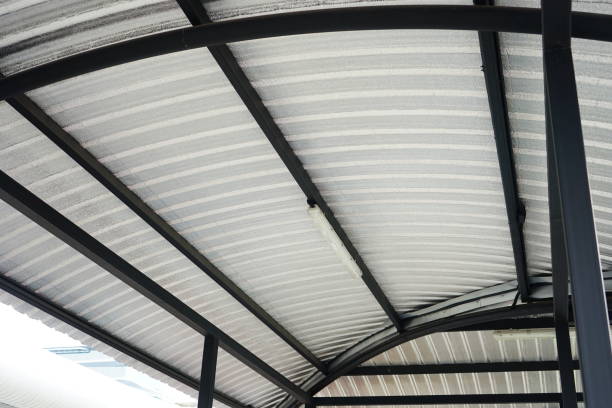
One thing I didn’t know until I dug a little deeper is that even the shape of the sheet matters. The ridges or “corrugations” aren’t just for looks—they increase strength without adding more metal. Imagine bending a flat piece of paper versus folding it like an accordion. That’s basically what engineers do with deck sheets. The specification tells you exactly how thick, how ridged, and what material your sheet should be.
Why Getting Specifications Wrong Can Cost You
I’ve seen this firsthand. A friend of mine’s startup was rushing to finish a warehouse, and they bought deck sheets without checking proper specifications. A few months later, heavy rains caused some panels to bend and creak loudly. Luckily, it wasn’t catastrophic, but it definitely cost extra in repairs and sleepless nights.
Getting the right deck sheet specification upfront is like buying the right tires for your car. You might save a few bucks by going cheap, but you’ll pay tenfold later when things start breaking down.
Choosing the Right Supplier Matters
It’s one thing to know the specs, and another to source quality sheets. In India, there are lots of options, but not all suppliers guarantee consistency. Personally, I like suppliers who can guide you through the specifications, instead of just sending a bunch of steel and hoping it works. A trusted source, like Vishwageeta Deck Sheets, makes a world of difference because they understand the nuances between different types of roofing and flooring sheets.
Online chatter also gives a peek into reliability. People post on LinkedIn, Twitter, and even Reddit about suppliers who overpromise and underdeliver. So checking reviews isn’t just being cautious—it’s smart.
Niche Insights You Might Not Know
Here’s a fun fact that surprised me: the design of some deck sheets can actually improve the acoustics of a building. So, if you’re building a concert hall or even just a busy office, the specification can subtly affect sound. Another lesser-known stat is that proper coating on a deck sheet can extend its life by up to 40% in humid environments. That’s basically like giving your building a longer warranty without writing a single extra clause.
The Future of Deck Sheets
With eco-conscious building on the rise, deck sheets are evolving too. Manufacturers are experimenting with recycled steel, special coatings that reduce heat absorption, and even modular panels that make installation quicker. I saw a tweet the other day where someone posted a rooftop garden built entirely on lightweight deck sheets—they literally made greenery float above an office floor. That’s innovation powered by proper specification.
Wrapping It Up
In the end, deck sheet specification isn’t just about numbers on a sheet of paper. It’s about ensuring safety, durability, and even a little bit of style in construction. Whether you’re a builder, an architect, or just a curious DIY enthusiast, understanding these specs can save headaches, money, and maybe even your sanity. So next time you see a metal roof or a steel floor, take a moment to appreciate the engineering behind it—it’s more impressive than you think.