

Getting a good night’s sleep may be difficult in a society where stress, computer time, and noise often disrupt sleep. Over time, this has a negative impact on mental clarity, physical health, and emotional well-being since many individuals have trouble falling asleep, staying asleep, or waking up feeling refreshed. Although technology is sometimes blamed for bad sleep, certain smart devices may actually enhance the consistency and quality of sleep when used carefully. In order to assist users better understand their patterns, lessen disruptions, and create a more peaceful atmosphere, these technologies are designed to monitor, improve, and support normal sleep cycles. These devices seek to make better sleep a reality by using cutting-edge technologies like biometrics, environmental sensors, and adaptive lighting.
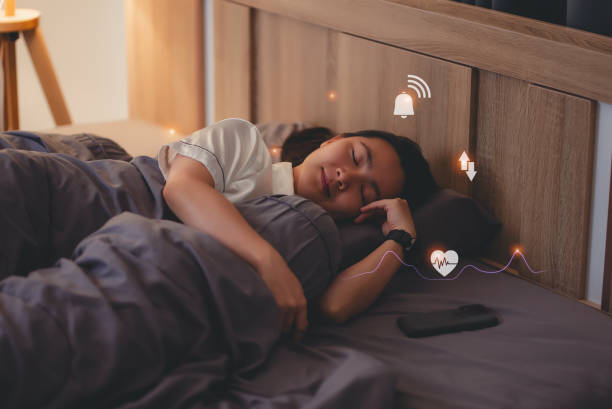
Wearable sleep trackers are among the most widely used types of sleep-enhancing technology. These gadgets, which usually take the shape of smartwatches, rings, or bands, track bodily indicators like blood oxygen levels, body temperature, heart rate, and movement while you’re asleep. Users get comprehensive input on their sleep cycles, including the amount of time they spend in light, deep, and REM sleep, by means of this data analysis. Users may modify their behaviors, surroundings, or nighttime routine with the use of these insights. Patterns emerge over time, making it simpler to pinpoint the elements that influence a restful or restless night’s sleep. To provide a more complete picture of well-being, advanced models may potentially interact with health applications or provide tailored advice.
Certain smart mattress pads and mattresses go one step further by fusing active therapies with biometric surveillance. Without the user having to wear anything, these devices often include sensors that track movement, heart rate, and respiration rate. Some have the ability to automatically change temperature or hardness in response to the user’s location or body temperature in addition to monitoring. For instance, the bed may chill itself a little to maintain the ideal resting environment if someone becomes too hot throughout the night. For couples with varied tastes, some models even include options like dual-zone settings or anti-snore elevation. These devices provide a more undisturbed and peaceful sleep experience by allowing users to customize their comfort levels throughout the night.
The quality of sleep may also be significantly impacted by smart lighting solutions. Blue light exposure in the evening may inhibit the generation of melatonin, which makes it more difficult to fall asleep. With the use of smart lighting panels and bulbs, users can design lighting schedules that replicate the patterns of natural sunshine, gradually lowering the brightness in the evening to tell the body it’s time to relax. These systems have the ability to gradually brighten in the morning to mimic a sunrise, slowly awakening the user in accordance with their circadian cycles. Compared to regular alarms, this kind of wake-up experience usually seems less startling and might make you feel more awake and refreshed when you wake up.
Smart sound equipment and white noise generators contribute to the creation of an auditory environment that encourages sound sleep. These gadgets provide soothing background noises, such as rain, wind, or ocean waves, to drown out abrupt sounds that could otherwise interfere with sleep. Some of them maintain a constant soundscape by using AI to identify distracting noises and instantly change the level. More sophisticated alternatives assist users unwind and fall asleep by providing guided meditations or binaural beats. Some models link to applications that allow users to follow sleep treatment regimens created by therapists and sleep experts or personalize sounds. By controlling noise levels in the bedroom, these devices promote relaxation and lessen disruptions.
Another significant area where technology promotes better sleep is smart temperature management. Maintaining a chilly atmosphere promotes the onset and depth of sleep, since the body’s core temperature normally decreases throughout the night. Users may configure their room temperature to decrease gently as sleep draws near and stay constant throughout the night using smart thermostats and climate control systems. In order to predict ideal settings or make adjustments based on sleeping patterns, some systems even link with weather data. Others employ motion sensors to automatically activate the optimal settings when the user is in bed. Additional levels of thermal control are provided by mattress toppers, cooling or warming blankets, and even smart pajamas with fabric that regulates temperature, allowing users to remain comfortable without waking up.
Smart devices are starting to address the ways that air quality affects sleep. Low humidity, allergies, and poor air circulation might cause discomfort or trouble breathing at night. Real-time indoor air quality monitoring is provided by smart air purifiers, which automatically modify settings to eliminate allergies, dust, and pollutants. In order to produce a healthy sleeping environment, certain units collect data including particulate matter, carbon dioxide, and volatile organic compounds (VOCs). They provide feedback via applications or syncing with other devices. In houses with central heating or during dry seasons, humidifiers with built-in sensors help maintain ideal humidity levels, which might otherwise produce dry skin or throat discomfort that interferes with sleep.
Smart alarm clocks have developed into advanced instruments for improving waking and sleeping, beyond their initial purpose. These gadgets gently wake the user from sleep using soft techniques like light, music, or vibration rather than loud buzzing or ringing. Some identify the lightest stage of the sleep cycle within a specified window and wake the user at the best moment by using biometric data from wearable technology or mattress sensors. This facilitates a more seamless transition into consciousness and lessens grogginess. Additionally, to help you begin the day with awareness and purpose, smart alarms may include features like breathing techniques, mindfulness reminders, or sleep score feedback.
Neurofeedback and brainwave-based sleep aids are another area that is gaining popularity. These gadgets entrain the brain into calm states that promote sleep by using light pulses, mild vibrations, or faint sound frequencies. To help users relax more deeply, certain headbands or over-the-ear devices monitor brainwaves and provide feedback. Others play certain frequencies that resemble the delta waves in the brain, which are linked to deep slumber. Despite being relatively new, these technologies have great promise for those who have trouble falling or staying asleep because of stress or a racing mind.
The capacity of smart sleep devices to customize the sleeping experience is one of its main advantages. Numerous of these gadgets cooperate by combining data via centralized platforms or mobile applications. When a wearable detects an elevated heart rate, for instance, a smart bed may react by adjusting its temperature to indicate discomfort. When a sleep monitor detects that a person is going to bed, the lighting system may automatically turn down. Based on a person’s past experiences and preferences, machine learning algorithms may eventually recommend customized bedtime routines, optimal waking and sleep periods, and environmental modifications.
Although the advantages of these devices are obvious, careful usage is necessary to maximize their efficiency. Sleep should be facilitated by technology, not dominated by it. It’s crucial to avoid being too preoccupied with data to the point of worry or perfectionism. Smart gadgets are not meant to take the place of natural indications or healthy lifestyle choices; rather, they are instruments to increase awareness and improve behaviors. The greatest outcomes are achieved by integrating them into a more comprehensive sleep approach that also involves stress management, screen time limitation, slowing down at night, and keeping a regular routine.
In the end, intelligent sleep aids provide a link between contemporary technology and the age-old need of rejuvenating sleep. These methods provide a means to reclaim the night, enhance relaxation, and awaken with clarity and vitality in a society where fatigue is often accepted as normal. Technology has never provided more options for those who suffer from insomnia, work shifts, or just wish to customize their sleeping environment. Restful sleep is not only feasible but also very pleasurable when the proper balance of awareness, simplicity, and support is maintained.